First-Time International Travel: What to Expect at the Airport and Border
June 11, 2026
There is something especially exciting about traveling to another country for the first time.
Perhaps this is your first international journey. Maybe you have traveled abroad before but are preparing for your first visit to Europe. Or perhaps you are visiting a country that is entirely new to you.
No matter how experienced you are, a new destination can bring new questions.
Do I need a visa or travel authorization?
Is a nonstop flight worth the higher fare?
How much connection time do I need if I cannot fly nonstop?
What happens when I land?
When do I collect my luggage?
International travel is not necessarily complicated, but it can feel that way when the process is unfamiliar.
Knowing what to expect makes a meaningful difference. Having someone review the flights, entry requirements, connection points, and arrival details means you are not left trying to piece everything together at the last minute.
Before You Confirm the Trip
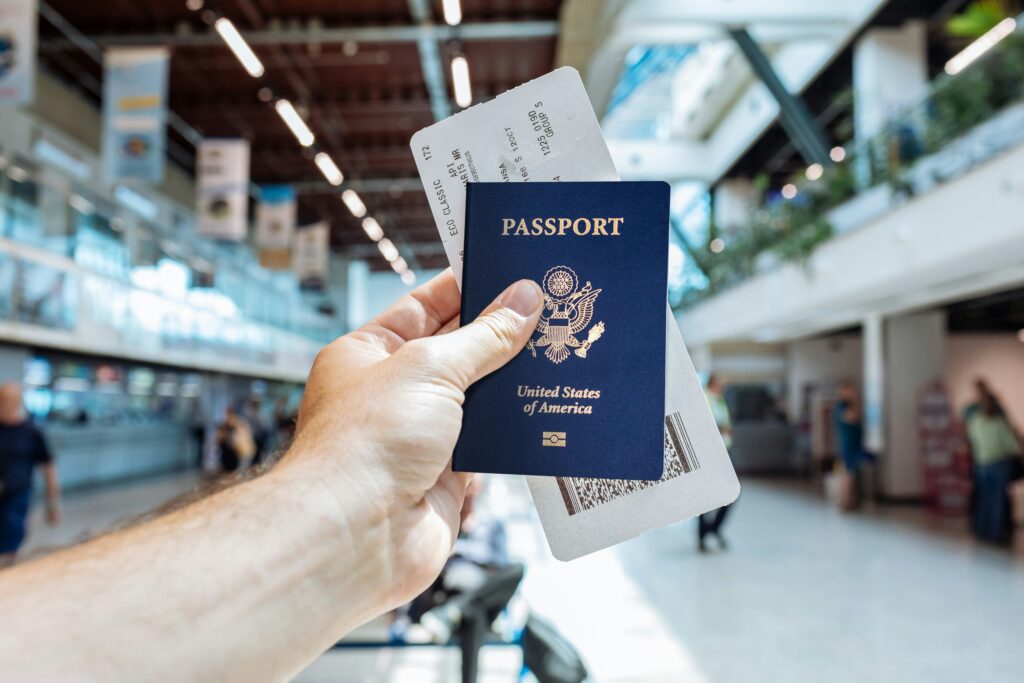
Your passport is the most important travel document you will carry.
Do not simply confirm that it has not expired. Many destinations require a passport to remain valid for a specific period beyond your travel dates. It may also need blank pages and must be in good physical condition.
I recommend reviewing your passport before confirming the trip. Processing times can fluctuate, and a last-minute renewal can create unnecessary stress and expense.
A valid passport also does not automatically grant entry into every country.
Depending on your citizenship, destination, length of stay, and purpose of travel, you may need a visa, electronic travel authorization, digital arrival form, proof of onward travel, accommodation details, health documentation, or proof of insurance.
Requirements can change, so this is not an area where you want to rely on an old article or advice from someone who traveled several years ago.
When I plan an international journey, I help my clients identify the requirements connected to their itinerary and understand what needs to be completed before departure.
The traveler is ultimately responsible for obtaining and carrying the correct documentation, but my clients are not left wondering where to begin.

Is a Nonstop Flight Worth the Price?
Once your passport and entry requirements are in order, the next decision is how you will get there.
A nonstop flight is often the most comfortable choice, but it may also come with a higher fare.
Whether that difference is worthwhile depends on more than the ticket price.
A nonstop flight can mean:
- Less total travel time
- No need to navigate a connecting airport
- Less risk of a delay affecting another flight
- Fewer opportunities for luggage to be misdirected
- A simpler start and end to the journey
A connecting itinerary may save money, and sometimes the savings are significant. In other cases, the lower fare comes with a lengthy travel day, an inconvenient airport, or a connection that leaves very little room for delays.
This is why I do not evaluate international flights on price alone.
I look at the fare, total travel time, connection airport, schedule, arrival time, and what happens to the rest of the itinerary if something goes wrong.
Sometimes paying more for the nonstop flight creates better value because it protects your time and reduces stress.
Other times, a well-timed connecting itinerary makes perfect sense.
The right choice is the one that balances the cost with the travel experience you actually want.

Give Yourself Time Between Flights
When a nonstop flight is not available, my general recommendation is to allow at least three hours between international flights.
Could the airline offer a shorter connection? Absolutely.
But technically possible does not always mean comfortable.
Flights leave late. International airports can be large. You may need to pass through passport control, change terminals, complete another security screening, or travel a considerable distance to the next gate.
You do not want to begin your trip running through an unfamiliar airport or worrying that one small delay will cause you to miss the next flight.
A three-hour connection gives you breathing room.
Depending on the airport and itinerary, I may recommend even more time.
When evaluating flights for my clients, I look beyond the airline’s minimum connection time. I consider the airport, immigration procedures, terminal changes, luggage, and what happens to the rest of the trip if the connection is missed.
The shortest itinerary is not always the best one. Sometimes the more luxurious choice is simply giving yourself enough time.

Organize the Details Before Departure
Once the flights are selected, keep your important travel information together and easy to access.
This includes your flight details, hotel address, transfer instructions, travel insurance information, emergency contacts, and entry documents.
Do not assume you will have immediate Wi-Fi or cellular service when you land.
Before departure, my clients receive organized travel documents containing their essential confirmations, transportation details, hotel information, and important contacts in one place.
They are not left searching through multiple email threads while standing in an unfamiliar airport.
That level of organization helps the journey feel more polished from the beginning.

What Happens When You Land?
Although every airport is arranged differently, most international arrivals follow the same general process.
Immigration or Passport Control
After leaving the aircraft, follow the signs for immigration, passport control, or border control.
You may use an electronic gate or speak with an immigration officer.
You may be asked why you are visiting, how long you are staying, where you are staying, and when you are leaving.
These are routine questions. Answer clearly and keep your hotel information and return flight details accessible.
Baggage Claim
After passport control, follow the signs to baggage claim and collect any checked luggage.
Verify that you have the correct suitcase before leaving the area. If your luggage is missing or damaged, report it before exiting the secure baggage area.
Customs
After collecting your luggage, you will proceed through customs.
Depending on the destination, you may submit a declaration, use an electronic kiosk, walk through a designated lane, or have your luggage screened.
Once you clear customs, you will enter the public arrivals area.
This is when your arrival plan matters.

Begin the Trip Calmly
After an overnight flight, even an experienced traveler may feel tired and slightly disoriented.
This is why I often recommend arranging a private arrival transfer, especially when visiting a country for the first time.
Your driver can monitor the flight, meet you at the designated location, assist with your luggage, and take you directly to the hotel.
You are not trying to determine which taxi is legitimate, whether a transportation app works locally, or which train will take you into the city.
That is what luxury travel means to me.
It is not only the hotel or room category. It is the ease of knowing the transition has been considered and that someone is already expecting you.

What Happens When You Return Home?
When returning to the United States, you will generally complete U.S. immigration and customs at your first point of entry.
If you have another flight afterward, you may need to collect your checked luggage, clear customs, recheck your bags, and pass through security again.
Your connection time should account for the complete process.
Eligible travelers may also consider Global Entry or Mobile Passport Control to help make re-entry more efficient.

International Travel Should Feel Exciting
Your first trip abroad, first visit to Europe, or first journey to a new country may come with a learning curve.
That does not mean you need to navigate it alone.
At Coordinated Escapes, I help my clients understand what to expect, weigh the value of nonstop and connecting flights, organize their travel documents, coordinate arrival transportation, and prepare for the details that can otherwise create uncertainty.
The goal is not simply to book a trip.
It is to create an experience that feels clear, supported, and beautifully coordinated from the beginning.
Ready to Plan Your Next International Escape?
Whether you are traveling abroad for the first time or discovering a new destination, I will help you navigate the details so you can travel with confidence and be fully present for the experience.
Begin Planning Your Escape
Disclaimer: Travel regulations, entry requirements, airport procedures, and connection requirements are subject to change. Travelers are responsible for confirming and meeting current requirements for their citizenship, destination, airline, and itinerary.
Set sail through the season’s most inspiring escapes — from Adriatic voyages to Thailand’s wellness shores. This exclusive digital issue of Virtuoso, The Magazine features insider travel trends, must-visit destinations for 2026, and the world’s most indulgent stays.
Download Now: Virtuoso, The Magazine

